
Shaping a new political order
LIEW CHIN TONG
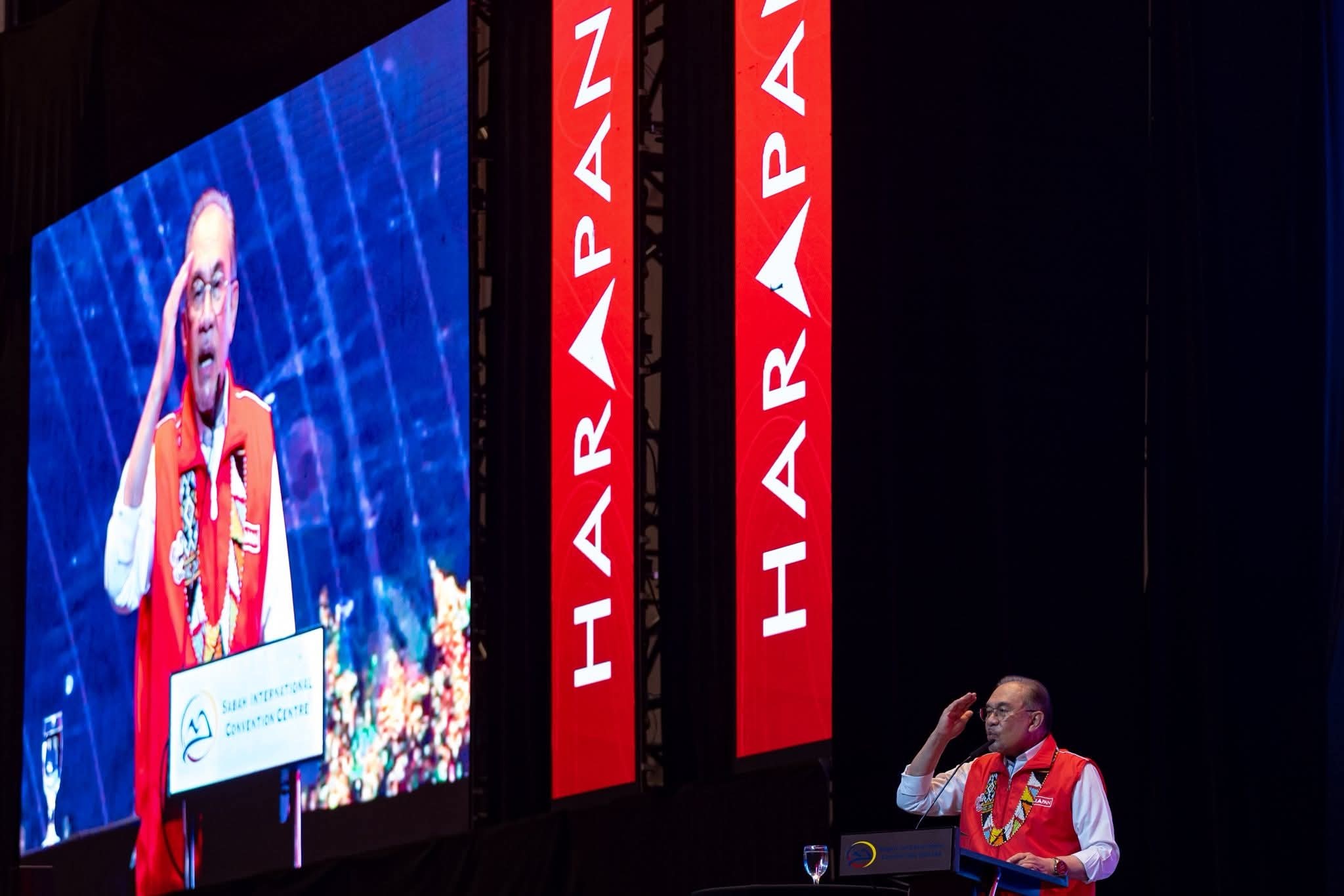
On 24 November 2022, almost 25 years after he was sacked as Deputy Prime Minister and thrown into prison, Datuk Seri Anwar Ibrahim was sworn in as Malaysia’s 10th Prime Minister in a rather precarious situation as the nation’s 15th general election did not produce an outright winner.
Three years later, especially after the ASEAN Summit, many more Malaysians believe that the Prime Minister is doing well compared to his rivals such as Tan Sri Muhyiddin Yassin, Datuk Seri Hamzah Zainuddin, and Tan Sri Abdul Hadi Awang.
So, what’s next?
Anwar is likely to win a second term, if:
• The vast majority of Malaysians feel that their lives have improved compared to before Anwar took the helm and believe that their lives will be better in the years to come;
• UMNO continues to support Anwar, and agree with Pakatan Harapan on seat allocations, setting the stage for straight fights with Perikatan Nasional in the Peninsula;
• Gabungan Parti Sarawak (GPS) continues to support Anwar and work with Pakatan Harapan and UMNO and/or Barisan Nasional beyond the current term; and
• The Sabah government that will be formed after this coming 29 November election is aligned with the Federal Government.
However, winning the second term convincingly is only the beginning of a more important mission for Anwar: to shape a new political order.
If he is able to do it, it will put him in the same league as Tunku Abdul Rahman Al-Haj and Tun Abdul Razak Hussein, and consequently, surpassing the premiership of Tun Dr Mahathir Mohamad, the longest serving Prime Minister who also held the position twice on separate occasions.
According to Francis Fukuyama in 𝘗𝘰𝘭𝘪𝘵𝘪𝘤𝘢𝘭 𝘖𝘳𝘥𝘦𝘳 𝘢𝘯𝘥 𝘗𝘰𝘭𝘪𝘵𝘪𝘤𝘢𝘭 𝘋𝘦𝘤𝘢𝘺: 𝘍𝘳𝘰𝘮 𝘵𝘩𝘦 𝘐𝘯𝘥𝘶𝘴𝘵𝘳𝘪𝘢𝘭 𝘙𝘦𝘷𝘰𝘭𝘶𝘵𝘪𝘰𝘯 𝘵𝘰 𝘵𝘩𝘦 𝘎𝘭𝘰𝘣𝘢𝘭𝘪𝘻𝘢𝘵𝘪𝘰𝘯 𝘰𝘧 𝘋𝘦𝘮𝘰𝘤𝘳𝘢𝘤𝘺, the idea of “political order” being “a set of political institutions” which defines the state, manages the rule of law, and struggles with democratic accountability. Gary Gerstle, in 𝘗𝘰𝘭𝘪𝘵𝘪𝘤𝘢𝘭 𝘖𝘳𝘥𝘦𝘳 𝘢𝘯𝘥 𝘛𝘩𝘦 𝘙𝘪𝘴𝘦 𝘢𝘯𝘥 𝘍𝘢𝘭𝘭 𝘰𝘧 𝘵𝘩𝘦 𝘕𝘦𝘰𝘭𝘪𝘣𝘦𝘳𝘢𝘭 𝘖𝘳𝘥𝘦𝘳: 𝘈𝘮𝘦𝘳𝘪𝘤𝘢 𝘢𝘯𝘥 𝘵𝘩𝘦 𝘞𝘰𝘳𝘭𝘥 𝘪𝘯 𝘵𝘩𝘦 𝘍𝘳𝘦𝘦 𝘔𝘢𝘳𝘬𝘦𝘵 𝘌𝘳𝘢, argues that an order is “a constellation of ideologies, policies and constituencies that shape…politics in ways that endure beyond the election cycles.”
Speaking about Malaysia’s political orders, I benefited from the conversation with Dr John Funston, my thesis supervisor, more than two decades ago. Funston opined that Tun Razak was the most consequential Prime Minister despite his short tenure in the top post, as he created a new political order that lasted for decades. In fact, the political order he started building in 1970 only collapsed 48 years later under the watch of his own son Dato’ Seri Najib Razak.
Funston observed that while Dr Mahathir made Malaysia known to the world, his political and economic structures were inherited from the Razak era.
Of course, Tun Razak was not alone because he was supported by a very able deputy Tun Dr Ismail Abdul Rahman as well as a set of competent leaders and bureaucrats.
As for Tunku Abdul Rahman, he built a relatively pro-Western post-colonial state, with a hands-off attitude towards the economy that was highly dependent on commodities and plantations with very few modern industries. This resulted in protests among job-seeking baby boomers who grew up to frustrations in the late 1960s. To his credit though, Tunku’s political coalition the Alliance was more multi-ethnic in outlook and, in general, less authoritarian towards dissent and less centralised vis-a-vis the states.
When Tun Razak took over power in 1970, he concentrated powers in the hands of UMNO via the Barisan Nasional component parties, and in the hands of federal bureaucrats through the states. Coming off the ashes of the May 13 incident, the regime was decidedly authoritarian (when Anwar was among the many who were detained under the infamous Internal Security Act between 1974 and 1976 during the reign of Razak).
Tun Razak boldly handpicked a set of young leaders who remained in the scenes for a very long time, including Dr Mahathir, Tun Musa Hitam, Tengku Razaleigh Hamzah, and Tun Haniff Omar (who became the Inspector-General of Police at the age of 35).
His foreign policy shifted to a more neutral stance through ASEAN’s articulation of the Zone of Peace, Freedom, and Neutrality (ZOPFAN) which was regionally and globally relevant to this day.
He also presided over the government intervention into the economy through the New Economic Policy, which is still a contentious topic among different ethnic groups, and promoted a highly successful export-led industrialisation policy. The outsourcing of the West to Malaysia model started during Razak’s era and blossomed in the 1980s and 1990s.
Dr Mahathir took over as Prime Minister in 1981, and by the 1990s, he had a chance to fashion a new political and economic order. He could have allowed Anwar more room to manage, before eventually handing over the reins to his then deputy.
The early 1990s was full of promises. With the grand themes of Vision 2020 and Bangsa Malaysia, the nation could have emerged as:
1. A nation that celebrates its multi-ethnic and multicultural heritage, forging a new Malaysian identity;
2. A genuine democracy with more participation of its citizenry in policy making and national conversation;
3. A country with more empowered state governments to enable a few more economic centres besides the Klang Valley;
4. A grand shift from “Made in Malaysia” (outsourced manufacturing) to “Made by Malaysia” (innovation by Malaysian technology companies); and
5. An advanced and developed nation in many aspects and a much richer people.
Unfortunately for Malaysia, the 1990s ended in disappointments: the old (Dr Mahathir) was trying to preserve the ancien régime while the new (Anwar) was languishing in jail. The Asian Financial Crisis in 1997 and China’s entry into the World Trade Organisation in 2001 diminished Malaysia’s regional economic relevance for the next two decades. We became an example of what the World Bank would later call the “middle income trap” country.
Despite those wasted years, a brief window of opportunity appeared for both Dr Mahathir and Anwar to redeem Malaysia’s future together during the first Pakatan Harapan government in 2018. Sadly, it didn’t happen.
Now, three years after Anwar assumed the premiership, Malaysia is on track to unleash its full potential. The question is will a new political order emerge to shape the trajectories of the nation in the decades to come?
I am confident that Anwar will win a second term. My hope is that he and other leaders in the Madani government, as well as all Malaysians, are bold and ambitious enough to forge a new political order, and make Malaysia a developed nation with advanced technologies, a vibrant democracy, a genuine federation with the states being satisfied, and a strong middle class with no one left behind.
Not many countries and territories managed to leapfrog their economy and technologies over the past 80 years since the end of the Second World War. In Asia, only Japan, South Korea, Taiwan, and later China, managed such feats.
Malaysia missed that chance nearly three decades ago. Now the time has come for a new political and economic order. We need to create a lot more better jobs with better pay, and better business opportunities for Malaysians. We have to lift the lives of many Malaysian families out of precarity to build a secure and prosperous life amidst global chaos.
Three years after being sworn in as Prime Minister, Anwar has an unique opportunity at nation building and to shape a new political order that will last for decades.
LIEW CHIN TONG is DAP strategic director, MP for Iskandar Puteri and Deputy Minister of Investment, Trade and Industry.