
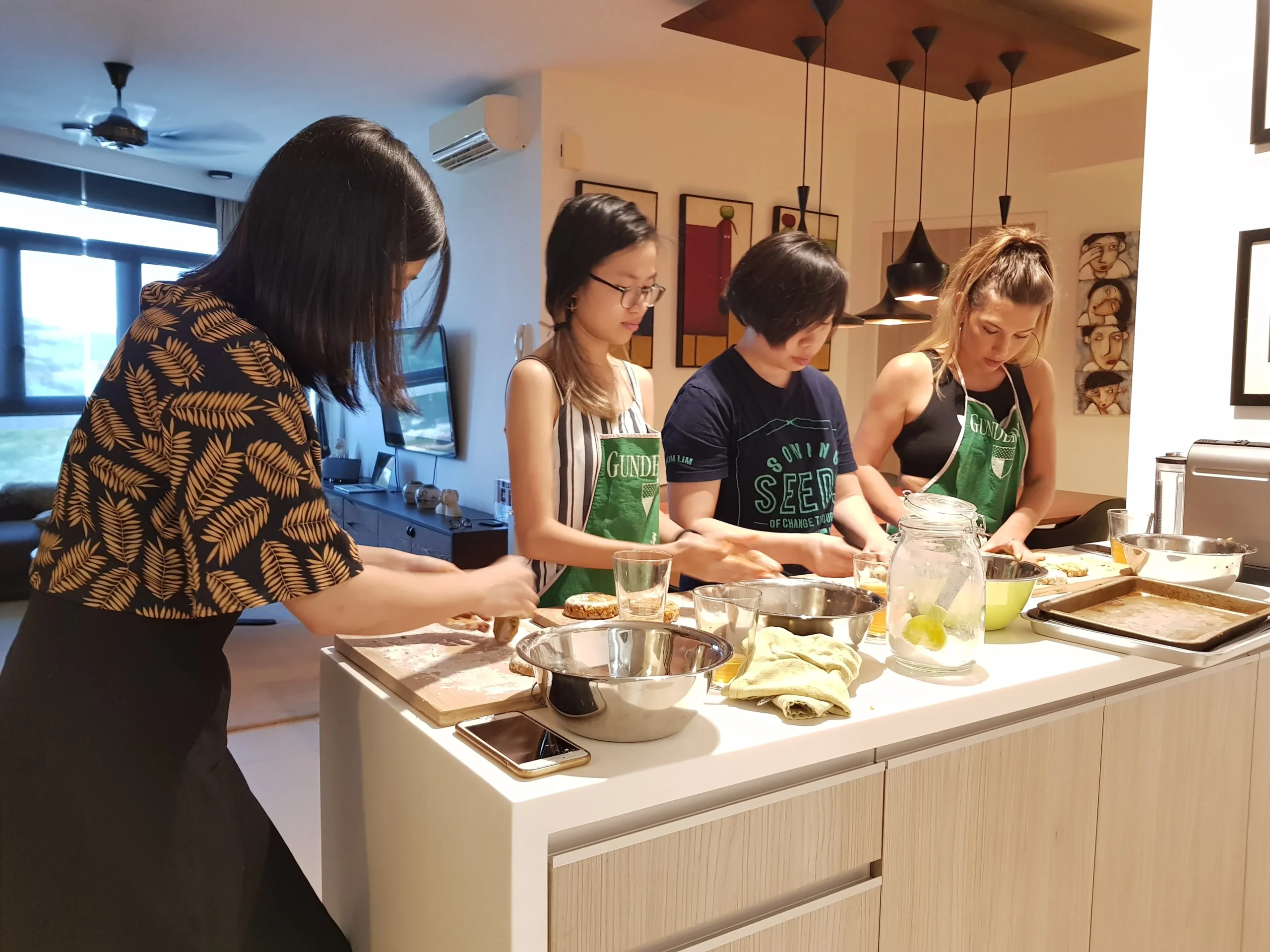
Why “Just Cook at Home” Is Not Enough for Malaysia’s Health
In Malaysia, food is deeply personal. It is how families show care, how traditions are passed down, and how daily life is organised. When health concerns arise, the advice offered is often familiar – cook at home, avoid eating out and takeaways, limit processed food, and eat fresh. This guidance feels sensible, especially as obesity, diabetes, and heart disease continue to rise nationwide.[1]
There is good reason behind this thinking. Eating out more frequently has been linked to poorer long-term health outcomes, including a higher risk of cardiovascular disease.[2] At the same time, the relationship between home cooking and health is more complex than it may appear. Spending more time cooking at home does not always translate into meals that are nutritionally balanced or healthier overall.
This is because Malaysia’s nutrition challenges do not stem solely from packaged or factory-made foods. Many home-cooked meals are also high in salt, sugar, and fat, with frequent frying and generous portion sizes.
Traditional cooking methods carry cultural meaning and social value, but they are not always aligned with modern health needs. Home cooking, therefore, is not automatically healthy, just as processed food is not automatically harmful.
When “Processed” Becomes a Label
How we talk about food shapes how people make choices. When processed food is discussed, attention often shifts away from other important factors, such as how food is prepared, how much is eaten, and the social and economic reasons behind eating habits. This can narrow the conversation around how diets might be improved, both at home and across the wider food system.
Food processing includes many practices Malaysians already depend on every day. Pasteurisation protects milk from harmful bacteria. Freezing preserves vegetables while retaining nutrients. Fermentation improves digestibility and flavour. Fortification addresses micronutrient deficiencies. Texture modification allows food to be consumed safely by individuals with physical limitations. Together, these approaches contribute to food safety, accessibility, and nutrition, particularly for vulnerable groups.
To distinguish between different forms of processing, researchers developed the NOVA food classification system, which categorises foods based on the extent and purpose of industrial processing.[3] While useful in highlighting the risks of diets high in ultra-processed foods, it focuses on processing characteristics rather than nutritional quality.
Outside academic contexts, this nuance is often blurred, leading to broad assumptions that all processed foods are unhealthy. As a result, foods designed to improve safety and nutrition may be grouped together with products intended mainly for convenience and overconsumption.
Why This Matters for an Ageing Malaysia
This conversation becomes increasingly important as Malaysia’s population ages. Older adults are more likely to experience challenges with chewing, swallowing, taste perception, and appetite, which can affect their nutritional intake. Studies involving Malaysians aged 60 and above reported nutrient deficiencies exceeding 80% for several key nutrients.[4]
In these situations, how food is prepared and designed become especially important. Foods can be made safer to consume without compromising nutrition, while careful attention to texture, appearance, and flavour helps ensure meals remain familiar and enjoyable.
Several Asian countries with food cultures similar to Malaysia’s have already embraced this approach. In Japan, foods for people with swallowing difficulties are guided by the International Dysphagia Diet Standardisation Initiative (IDDSI), a globally recognised framework that standardises food textures and liquid thickness to improve safety.[5]
China[6] and South Korea[7] are also expanding the use of nutritionally optimised foods in healthcare and aged-care settings. These foods are developed with clear public health intent rather than convenience alone.
In Malaysia, however, adoption of such strategies has been slower. Food processing is often viewed as something to minimise, while home cooking is idealised even when meals are high in salt, sugar, and fat. This mindset limits innovation and reduces the range of solutions available to address ageing, chronic disease, and malnutrition.
This does not mean concerns about excessive consumption of processed foods should be dismissed. Many commonly consumed street foods remain high in sodium and fat, particularly snacks and main meals.[8] These findings highlight genuine dietary risks, while also underscoring the need for clearer, more practical guidance that reflects how people actually eat.
A more forward-looking approach for Malaysia is to adopt purpose-based thinking about food. Instead of asking whether food is processed, we should ask whether it is designed to support health, safety, and sustainable eating habits.
Processed does not automatically mean unhealthy, and home-cooked does not automatically mean healthy. Moving beyond labels allows for a more balanced and constructive conversation about food.
When modern approaches to food preparation are recognised as part of a broader set of solutions, Malaysia can make more informed choices, encourage thoughtful innovation, and improve health outcomes across the lifespan.
Dr Leong Sze Ying is a Lecturer at the School of Biosciences, Faculty of Health and Medical Sciences, Taylor’s University.
[1] https://iku.nih.gov.my/images/nhms2024/key_findings_nhms2024.pdf
[2] https://pmc.ncbi.nlm.nih.gov/articles/PMC8920648/
[3] https://pmc.ncbi.nlm.nih.gov/articles/PMC10261019/
[4] https://pubmed.ncbi.nlm.nih.gov/38769498/
[5] https://pmc.ncbi.nlm.nih.gov/articles/PMC7352363/
[6] https://www.sciencedirect.com/science/article/pii/S0268005X23001595
[7] https://www.jkds.org/journal/view.html?doi=10.34160/jkds.23.012
[8] https://pmc.ncbi.nlm.nih.gov/articles/PMC9739403/