
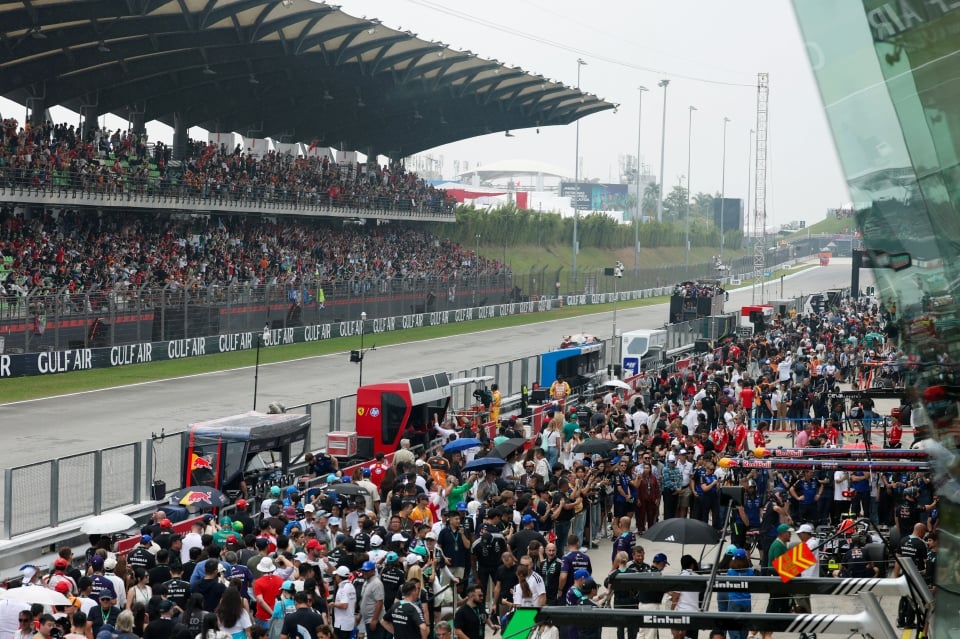
Bahrain pays, Malaysia reaps the benefits: Sepang F1 projected to generate RM1.3 bilion economic impact
The return of Formula One (F1) racing to the Sepang International Circuit (SIC) after a nine-year absence is not merely about bringing the roar of F1 engines back to Malaysia — it is also expected to deliver a significant boost to the country’s economy.
More significantly, the 2026 Bahrain Formula One Grand Prix at Sepang sees Bahrain bearing the F1 hosting rights fee, while SIC and Bahrain share part of the operational costs of staging the race.
Hong Leong Bank Research has projected that the event could generate an economic impact of approximately RM1.3 billion, driven by tourism, hospitality, transportation, food and beverage, retail and other service-related activities.
The Ministry of Tourism, Arts and Culture (MOTAC) is also targeting approximately 300,000 visitors, including around 50,000 international tourists, creating substantial opportunities for Malaysia’s tourism and hospitality sectors.
The economic spillover is not expected to be confined to Sepang. Hotels around KLIA, Putrajaya and Kuala Lumpur, as well as airlines, e-hailing services, restaurants, shopping malls and local businesses, are poised to benefit from increased spending throughout the event.
Malaysia will also gain significant international exposure as Sepang returns to the F1 stage for the first time since it last hosted the Malaysian Grand Prix in 2017. This year’s Bahrain race was relocated to Sepang following developments in the Middle East.
This gives Malaysia an unusual advantage — the country gains global F1 exposure and benefits from the influx of visitors and their spending, while Malaysia does not bear the race hosting rights fee.
However, the RM1.3 billion figure should not be interpreted as direct government revenue or profit. It represents the projected overall economic impact generated by the activities surrounding the event.
If the projection materialises, the Bahrain F1 race at Sepang could demonstrate how Malaysia’s existing world-class sporting infrastructure can be leveraged to attract international visitors, stimulate local businesses and strengthen the economy — Bahrain brings the race, while Malaysia enjoys the economic spillover.