
𝗧𝗵𝗲 𝗠𝗶𝗱𝗱𝗹𝗲 𝗚𝗿𝗼𝘂𝗻𝗱: 𝗦𝘄𝗶𝗻𝗴 𝗚𝗲𝗼𝗴𝗿𝗮𝗽𝗵𝗶𝗲𝘀, 𝗦𝘄𝗶𝗻𝗴 𝗗𝗲𝗺𝗼𝗴𝗿𝗮𝗽𝗵𝗶𝗰𝘀
BY: LIEW CHIN TONG
It is unfortunate that political debates in Malaysia often descend to just shouting matches among hardcore groups of different political hues. More than a decade ago in the lead up to the 2013 general election, I published a book with the title “Middle Malaysia: Centre Ground is Battle Ground”. Barring the unusual collapse of the hardcore supporter groups, elections are won by those who managed to convince the swing voters.
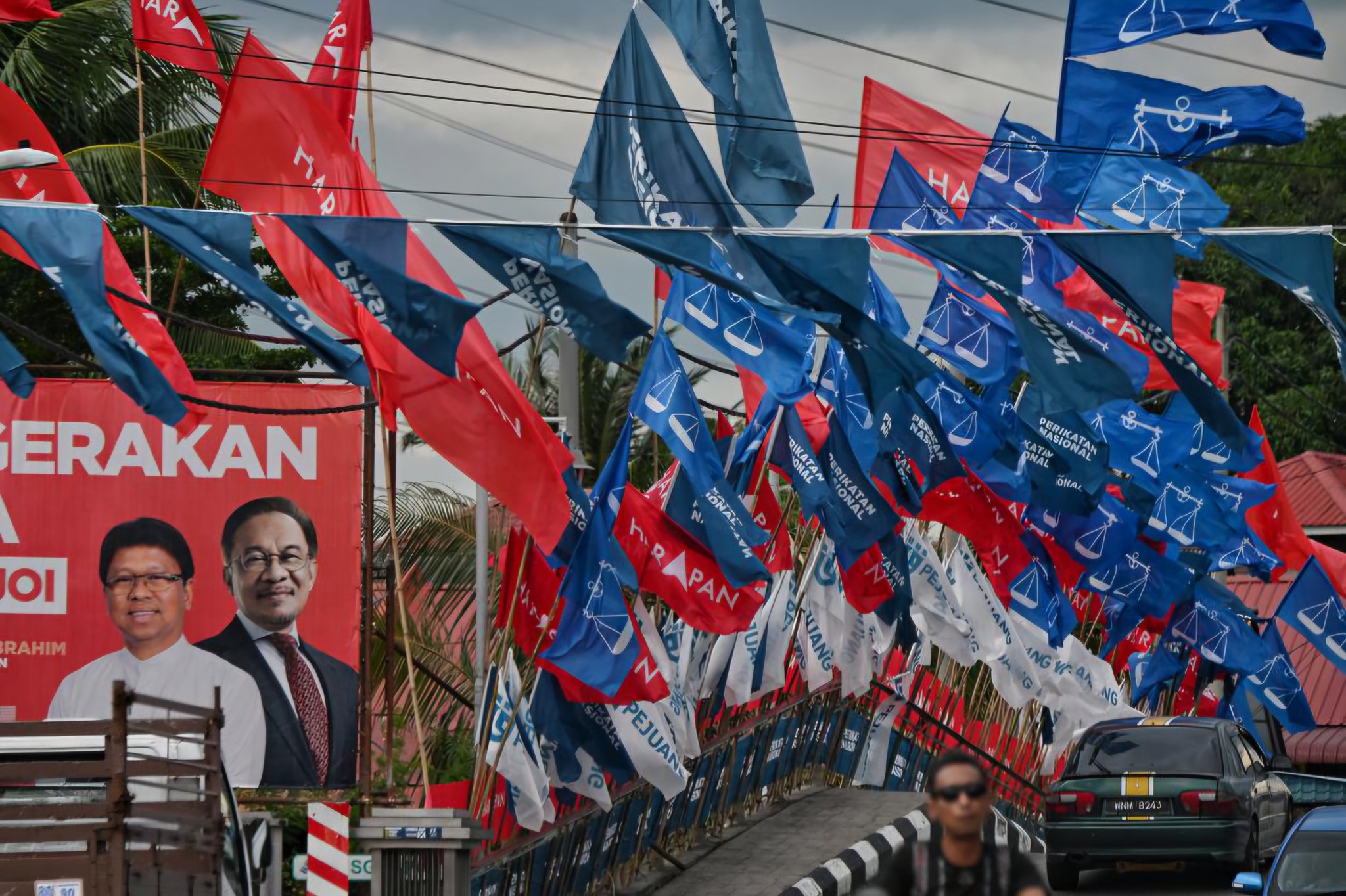
Malaysia has 222 parliamentary seats, and 165 are in the Peninsula. During the 15th general election in 2022, in mostly three-cornered fights, Pakatan Harapan won 71 seats, Barisan Nasional 23, and Perikatan Nasional 71.
Assuming that PH and BN will combine forces to face off PN in a straight fight, with PH and PN each having up to 45 “safe” seats while BN has 20-plus seats – which these coalitions are likely to secure – the next general election in Peninsula is really a battle of about 50 swing seats: PH and PN each has 20-odd seats to defend.
In a one-to-one battle, PH and BN will each contest much fewer seats than in previous elections, but are likely to have a more secure grip over the seats they have already won, compared with PN. I am making the assumption that under such a scenario, given that GE15 was BN’s worst outing, the seats it had already won are relatively secured if PH and BN are not contesting against each other.
The coming 16th general election will likely be determined by the three “swing geographies” and the six “swing demographics”:
𝗦𝘄𝗶𝗻𝗴 𝗚𝗲𝗼𝗴𝗿𝗮𝗽𝗵𝗶𝗲𝘀
𝟭. 𝗧𝗵𝗲 𝗣𝗲𝗿𝗺𝗮𝘁𝗮𝗻𝗴 𝗣𝗮𝘂𝗵 𝗰𝗹𝘂𝘀𝘁𝗲𝗿
There is a cluster of seats in Penang’s Seberang Perai, Southern Kedah and Northern Perak similar to the Permatang Pauh demography, which has 65-75% Malay voters and a significant proportion of non-Malay voters.
In a straight fight between the PH-BN combo and PN, if the Unity ticket could ensure a solid 40-50% Malay votes with high non-Malay support, and very importantly, higher turnout, these PN-held seats are all in play. Since 2008, PH has consistently received around 40% Malay support in Selangor. The “Selangor formula” is a good reference.
𝟮. 𝗧𝗵𝗲 𝗦𝗼𝘂𝘁𝗵𝗲𝗿𝗻 𝗣𝗲𝗿𝗮𝗸-𝗡𝗼𝗿𝘁𝗵𝗲𝗿𝗻 𝗦𝗲𝗹𝗮𝗻𝗴𝗼𝗿 𝗰𝗹𝘂𝘀𝘁𝗲𝗿
There are some PN seats in this cluster which are winnable in a straight fight, and if there is a replication of the Selangor formula in these seats.
𝟯. 𝗧𝗵𝗲 𝗦𝗼𝘂𝘁𝗵𝗲𝗿𝗻 𝗦𝘁𝗮𝘁𝗲𝘀 𝗰𝗼𝗺𝗽𝗮𝗰𝘁
PAS and Bersatu have very little influence in the Southern States of Johor, Melaka and Negeri Sembilan. If PH and BN could continue to work well together, the chances of keeping the vulnerable seats in these southern states held by PH and BN are high.
Managing coalition relations between PH and BN in the Southern States is arguably fundamental to the Unity Government’s effort to secure the next term. For instance, in Johor where there are 26 parliamentary seats, PH won 15, BN 9, and PN 2. Securing what PH and BN won in GE15 means there are already 24 seats to contribute to the formation of the federal government.
Particular attention should be paid to secondary cities, small towns, and rural sectors of the Southern states. These towns and villages have most of their young folks living in major cities but voting in their hometowns. More often than not, government policies do not help enough of the lower strata of urban folks who are voting in these semi-urban/rural areas, as well as their families in semi urban/rural areas. This “double whammy” policy blindspot has to be overcome.
𝗦𝘄𝗶𝗻𝗴 𝗗𝗲𝗺𝗼𝗴𝗿𝗮𝗽𝗵𝗶𝗰𝘀
𝟭. 𝗧𝗵𝗲 𝗞𝗲𝗿𝗶𝗻𝗰𝗵𝗶 𝘀𝗽𝗵𝗲𝗿𝗲
Many Malay voters who vote in their hometowns but work in Klang Valley, Greater Johor Bahru, and the Penang-Kulim area, are living in “vertical kampung” (flats and apartments). The economic divide in the nation is not so much so between Kuala Lumpur and Kota Bharu, but really between those who reside in Bangsar and Kerinchi, or between Sunway and the Mentari flats.
Understanding the political and social impacts and outcomes of housing, public transport, health and education policies, as well as labour market conditions on this group is crucial in the election. Economic security or “raising the floor” for this group will have far-reaching consequences.
𝟮. 𝗠𝗮𝗹𝗮𝘆𝘀𝗶𝗮𝗻𝘀 𝗶𝗻 𝗦𝗶𝗻𝗴𝗮𝗽𝗼𝗿𝗲
There are 1.1 million Malaysians working in Singapore. They formed the most crucial swing bloc that tilted the balance for PH in 2013, 2018, and even 2022, especially during the 2022 parliamentary election in the Southern States.
The Unity Government must ensure that more Malaysians in Singapore feel that the Malaysian economy is improving, and that the wage gap between Malaysia and Singapore is narrowing, to the extent that some of them could choose to return to work in Malaysia at a wage that is acceptable albeit being lower than Singapore’s. The rule of thumb is that if the pay is close to two-thirds of the Singapore pay, a Malaysian would likely return to work in Malaysia. It means the government will have to be very forceful in its overall labour market reform to raise the floor, especially raising wages.
𝟯. 𝗧𝗵𝗲 𝗿𝗲𝘀𝘁𝗹𝗲𝘀𝘀 𝘆𝗼𝘂𝘁𝗵
Reformasi in 1998 was supported by the youth, and PH’s rise since 2008 was very much driven by the younger set of voters who were unhappy with the status quo. But both PH and BN lost the youngest Malay cohorts to PN in GE15.
The Unity Government has been mindful of the possibility of an anti-establishment wave from the youth. But more has to be done. Grievances from among the youth have to be understood and empathised with. A holistic youth policy agenda that weaves together jobs, TVET training, wages, housing, transport, health, etc is important. Not having a new narrative on PTPTN by the next election could be problematic.
𝟰. 𝗪𝗼𝗺𝗲𝗻 𝘃𝗼𝘁𝗲𝗿𝘀 𝗮𝘀 𝗸𝗶𝗻𝗴𝗺𝗮𝗸𝗲𝗿𝘀
All recent polls consistently show that more Malay women than their Malay male counterparts in the same age groups support the Unity Government. But the Unity Government needs to sharpen this gender advantage through policy and political actions that uplift the women’s livelihoods, especially helping to retain them in the job market over a much longer period (Malaysia’s female labour participation rate is the lowest among regional neighbours).
𝟱. 𝗖𝗶𝘃𝗶𝗹 𝘀𝗲𝗿𝘃𝗮𝗻𝘁𝘀
Both PH and BN did not gain an upper hand among the civil servants during GE15 but through the efforts by the Unity Government, especially the most significant salary increment in more than a decade, some surveys showed that the civil servants have warmed up to Prime Minister Datuk Seri Anwar Ibrahim and the Unity Government as they realise that those on the government bench are serious about governing, compared to those in the opposition.
𝟲. 𝗪𝗼𝗿𝗸𝗲𝗿𝘀
Workers have not been featured much in our political debates. Often the interests of the workers are articulated from the perspectives of the employees. But it is politically imperative for us to be reminded that each worker has a vote, and that workers’ share of the economic pie is too small compared to workers in other regional economies (as identified by the Madani Economy Framework).
Embracing the interests of the workers and communicating in a political language that reassures them of economic security will help swing them. There is a need to significantly reduce the number of unskilled foreign labour that suppress wages.
While there is still a while before the next general election will be called, understanding where the swing votes come from would help formulate better policies which will in turn shape the outcomes of the election.
The battle ground is still in the middle, and not among the fringes, no matter how loud they shout and scream.
LIEW CHIN TONG is DAP’s strategy director and Investment, Trade and Industry deputy minister.