
Health Ministry defends its pro-health tax raise
The Health Ministry has defended its pro-health tax raise plan based on at least four studies.
“Tax implementation Effectiveness and Impact Assessment on Sugared Sweetened Beverages in 2022 found that carbonated drink intake among teenagers reduced from 36.9% to 16.4%,” said Health Minister Datuk Seri Dr Dzulkefly Ahmad.
“There was also a reduction of 54.5% in consumption of sugared sweetened beverages (SSB) among children and 53.8% among their parents.
“The 2022 National Morbidity and Health Survey showed a prevalent decrease in the intake of carbonated drinks among teenagers from 36.9% in 2019 to 32.4% in 2022.
“The Policy Impact Study on Tobacco Control towards Cigarette Use and Demand Analysis Study on Tobacco Use in Malaysia found that a ten percent increase in cigarette price reduced the percentage of smokers by 7.69% whereas a tax hike of 25% on cigarettes is expected to raise tax income by 20.8 and reduce the ratio of smoking product usage.”
Comparative studies in other countries have indicated similar results.
In India 1.5 million men quit smoking due to tobacco tax raise in four states. It also raised cigarettes prices by 53% and the impact was profound in low income households.
The move avoided 655,000 premature deaths and reduced the treatment costs for smoking related illness.
Vietnam’s cigarette price hike by 32% and 62% reduced poverty and health burden especially among the low income group.
An increase of 32% prevented 285,000 men from extreme health burden and 95,000 from poverty.
An increase of 62% prevented 553,000 from extreme health burden and183,000 from poverty.
The implementation of new tax in Taiwan in 2002 reduced cigarette production from 2.31 billion packs to 1.735 billion packs.
This drop reflects cigarette use reduction of 10.5%.
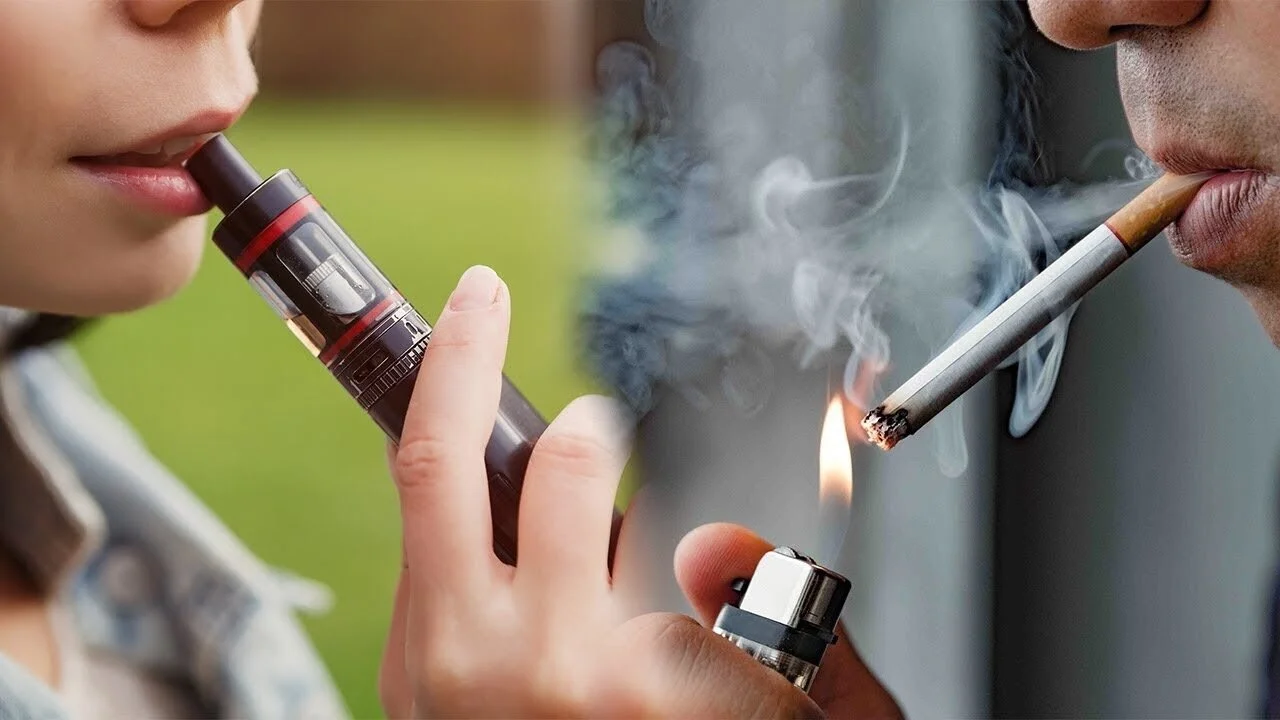
Dr Dzulkefly also highlighted that the overall implementation of pro-health tax on all tobacco products including e-cigarettes has proven to be effective.
In Australia the adult smoking rate dropped from 23.6% in 2001 to 17.3% in 2011. Up to 76% of the drop is due to high tax, prohibitions and awareness campaigns.
In New Zealand the daily adult smoking rate dropped 43%, from 11.9% in 2020 to 6.8% in 2023. This is the outcome of high tax and strict control on all nicotine products including vape.
Dr Dzulkefly also said that the implementation of a pro-health tax would only be effective when tax are raised not only on tobacco products. It must include electronic cigarettes or vapes that include nicotine.
Another study related to the Health Ministry’s War on Sugar revealed that consumers are opting for non SSB condensed milk.
Dr Dzulkefly revealed the above in his written reply to Senator Datuk C Sivaraj.
Sivaraj questioned whether the government was aware of the failure in raising pro-health tax since consumers shifted to equally risky products.
He also asked whether a risk study was conducted before the tax was expanded.